
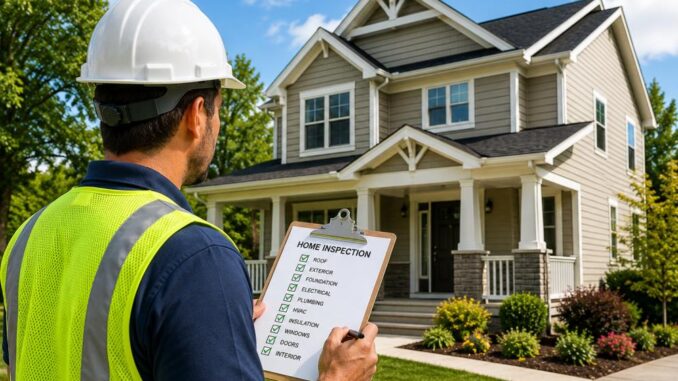
Primary mechanical infrastructure ensures that a residence remains functional and protects inhabitants from extreme temperatures. Heating units, cooling devices, electrical networks and plumbing hardware are prone to internal defects which inhabitants often fail to observe. Professional inspectors provide a precise analysis of how these systems operate, whereas basic maintenance only addresses obvious damage. Regular examinations are beneficial because they allow residents to identify technical problems early. Addressing these malfunctions promptly prevents high repair costs plus significant interruptions to daily activities.
Identifying Hidden Problems
Domestic infrastructure often fails gradually without clear indicators of damage. As an example, a furnace is less effective over time, a pipe fitting is prone to dripping or a wire is likely to degrade during regular operation. Technicians examine these parts thoroughly during professional assessments – these specialists identify mechanical risks that residents do not notice during casual observations.
Residents who identify building maintenance needs promptly can resolve small problems before structural components sustain harm. A minor plumbing leak causes wood rot or mold growth if workers do not fix the pipe. HVAC units that function under heavy pressure undergo rapid deterioration – this early detection ensures that apartment occupants have sufficient time to schedule maintenance instead of responding to complete mechanical breakdowns.
Supporting Home Safety
Professional inspections improve household safety – finding conditions that need attention. Electrical systems may have damaged wiring, overloaded circuits or old components that require evaluation. Heating equipment also needs inspections to ensure components operate correctly – these systems involve technical details that residents cannot assess safely without specialized knowledge but also tools.
Plumbing systems also benefit from professional attention, especially in older houses. Inspectors identify corrosion, pressure issues and leaks that affect the water supply and the building structure. Fixing these issues reduces the chance of extensive damage. Professional assessments are useful when residents notice unusual sounds, smells, moisture or changes in how a system works.
Improving System Performance
An inspection does more than find potential failures – It provides information about if a system is efficient as well as consistent. Heating and cooling equipment might continue to work while it becomes less effective. An inspection determines if maintenance, repairs, adjustments or replacements are necessary based on the current state of the equipment.
Residents who plan improvements should have existing systems assessed before making large changes. A renovation that adds space or changes the layout of a house affects heating, cooling, electrical and plumbing needs. Before seeking an air conditioning installation service, for example, a resident benefits from an assessment of the cooling needs, ductwork or electrical capacity of the house – this ensures new equipment is appropriate for the house rather than just replacing an old system without considering current needs.
Supporting Long Term Maintenance
Regular inspections help residents create an informed plan for property maintenance. Instead of waiting for a system to fail, residents learn which parts are old and which areas need future attention – this information makes maintenance schedules predictable and allows residents to save money for large repairs or replacements.
Inspection records provide a history of the major systems in a house. Knowing the installation date, past repairs next to previous concerns helps residents make better decisions – this data is valuable when multiple systems reach the end of their functional life and residents must decide which repairs are most important.
Protecting Property Value
The condition of major systems influences the value of a house during a sale. Buyers want to know if equipment is well maintained and if they must pay for large repairs after moving in. Professional inspections give homeowners a clear understanding of the house before they list it for sale. Fixing maintenance issues early reduces the number of surprises during a buyer’s inspection.
Maintaining major systems supports the long term condition of the house even if a resident is not selling the property. Well maintained equipment plus infrastructure lower the chance of disruptions and keep the house functional. Professional assessments allow residents to see priorities and make decisions based on the actual condition of the systems.
Conclusion
Professional inspections are a necessary part of homeownership because they provide information that basic checks cannot offer. They find hidden problems, support safety, improve performance but also help residents plan maintenance. By understanding the condition of major systems before serious problems occur, residents make practical decisions that support the comfort and reliability of the house.
Be the first to comment