
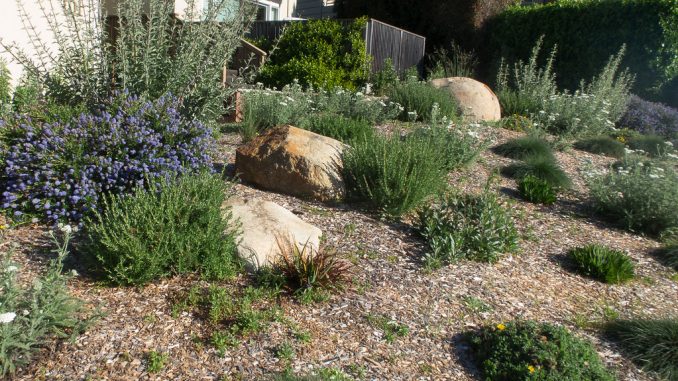
Nature has a way of showcasing its magnificence through its diverse and captivating landscapes. However, when designing our outdoor spaces, we often overlook the beauty and benefits of incorporating native plants and elements into our landscape designs.
In today’s fast-paced society, where technology constantly surrounds us, it’s easy to forget how deeply rooted we are in nature. Yet enhancing our living spaces with indigenous elements adds aesthetic appeal and numerous environmental advantages. In this guide, we’ll delve deep into the concept of native landscape design – exploring its beauty and understanding its essential role in promoting biodiversity and sustainability.
Landscape Design Ideas in Tune with Nature
Our connection to nature is intrinsic, and by embracing native plants and elements in our landscape design, we not only preserve the natural ecosystem but also create a serene and sustainable space for ourselves. Native landscape design is not just a style, but a meaningful interaction with the environment that paves the way for a healthier planet. Let’s walk through some inspirational ideas that harmonize with nature’s aesthetics, provide habitats for local wildlife, and require minimal maintenance.
Embrace the Wild
Inviting the natural wilderness into your garden can create a lively and dynamic setting. Opt for a mix of native shrubs, grasses, and perennials to mirror the untamed beauty of nature. This approach fosters a habitat-rich area where local fauna can thrive.
Create a Pollinator Paradise
Dedicate a section of your landscape to flowering native plants that attract bees, butterflies, and other pollinating insects. This not only contributes to the health of your local ecosystem but also ensures your garden is a riot of color throughout the seasons.
Design With Water Conservation in Mind
Integrating drought-resistant native plants, or ‘xeriscaping,’ significantly reduces the need for water – nurturing an eco-friendly garden while also cutting down on your utility bills.
Build a Rain Garden
Implementing a rain garden into your landscaping plan can help manage stormwater runoff and improve water quality in nearby bodies of water. This can be achieved by creating a depression and filling it with rain-loving natives that are both functional and appealing.
Enrich With Edible Plants
Including native edible plants in your landscape, such as berries, nuts, and fruits, adds an element of sustainability to your yard and provides a fresh and organic food source right outside your door.
Maintain Your Lawn the Natural Way
One of the most significant advantages of native landscape design is its low maintenance requirements. Instead of relying on chemical fertilizers and pesticides, opt for organic alternatives that are not only safe for your family and pets but also support a healthy ecosystem. Click here to learn more about native landscape design ideas.
Compost is Key
Composting kitchen scraps and yard waste creates nutrient-rich soil that promotes plant growth naturally. Using compost in lieu of chemical fertilizers helps to maintain a healthy balance of microorganisms and nutrients, reducing the need for additional maintenance.
Embrace Natural Pest Control
A diverse ecosystem is naturally more resilient against pests. By incorporating native plants that attract natural predators, you can reduce the need for harmful pesticides while encouraging biodiversity in your landscape.
Let it Be Wild
Allowing your lawn to grow freely reduces maintenance and creates a natural habitat for wildlife. By mowing less frequently and in different patterns, you can promote the growth of wildflowers and native grasses, providing a sustainable and scenic landscape.
Native Landscaping Through Seasons
The beauty of native landscape design is that it harmonizes with the rhythm of the seasons. Each season brings unique opportunities to highlight your garden’s different aspects and practice sustainable gardening techniques. Below, we’ve outlined tips for maintaining native landscapes tailored for every season, ensuring your outdoor space is both vibrant and environmentally conscious year-round.
Spring: A Time of Renewal
- Assess and Prepare Garden Beds: Clear winter debris and assess which areas need attention for the upcoming growing season.
- Prune and Divide Perennials: Encourage new growth by pruning dead or damaged parts of plants and dividing perennials that have become too dense.
- Welcome Back Pollinators: Plant a variety of early-blooming natives to provide nectar for returning pollinators.
Summer: Full Bloom and Lushness
- Monitor Water Needs: While native plants are often drought-resistant, during exceptionally dry periods, they may need additional watering.
- Control Weeds: Regularly hand-pull weeds before they go to seed to keep your garden looking neat without using herbicides.
- Enjoy and Harvest: Take time to enjoy the vibrant colors and textures of your garden and harvest fruits and herbs.
Fall: Preparing for Dormancy
- Plant New Additions: The cooler temperatures make it ideal for adding new plants, giving them time to establish roots before winter.
- Harvest Seeds: Collect seeds from your favorite plants to sow next season or to share with other gardening enthusiasts.
- Mulch: Apply a layer of mulch to protect plants from freezing temperatures and retain soil moisture.
Winter: Rest and Planning
- Protect Sensitive Species: If necessary, protect sensitive plant species from frost with mulch or burlap wraps.
- Plan for Spring: Use this quiet period to plan changes and additions for your garden once spring arrives.
- Support Wildlife: Leave seedheads and dry plant material in place to provide food and shelter for birds and insects.
FAQ
What are native plants?
Native plants are those that have evolved in a specific region over thousands of years and have adapted to the local climate, soil, and wildlife. These plants provide essential resources for local fauna and promote biodiversity.
What are the benefits of using native plants in landscaping?
There are many benefits to using native plants in landscaping, including supporting local ecosystems, reducing maintenance requirements, conserving water, and providing a sustainable food source.
How can I attract pollinators to my garden?
Planting a variety of flowering native plants that bloom at different times throughout the season is an effective way to attract pollinators. Providing sources of water, such as birdbaths or shallow dishes, also helps attract bees and butterflies.
Is native landscaping suitable for all climates?
While native plants are best suited to their specific region, there are often similar species that can thrive in different climates. It’s essential to do research and choose plants that are appropriate for your particular climate and soil conditions.
Are there any resources available for learning more about native landscaping?
Yes, many organizations and websites offer information and resources on native landscaping. Some examples include the National Wildlife Federation, Audubon Society, and Native Plant Societies specific to your region. It’s crucial to do proper research before starting your native landscaping journey. There is always something new to learn about sustainable practices and the beauty of incorporating native plants into your landscape design.
Conclusion
Native landscaping not only creates a visually stunning and eco-friendly outdoor space, but it also supports local ecosystems and reduces maintenance requirements. By incorporating composting, natural pest control, and letting your lawn grow wild, you can create a sustainable garden that harmonizes with the rhythm of the seasons. With proper research and planning, anyone can enjoy the benefits of native landscaping in their own backyard.
Be the first to comment