
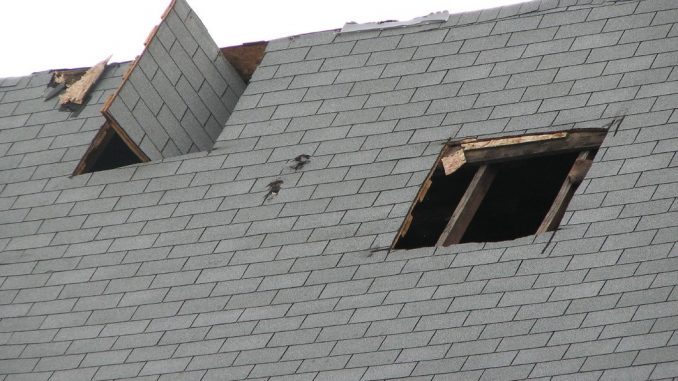
As homeowners, one of our most critical investments is the roof over our heads. It shields us from the elements and protects the integrity of our homes. However, roofs are not impervious to damage, especially when they stand against the might of nature’s forces.
This guide will delve into the common types of roof damage that can occur during severe weather events, including wind, rain, hail, and debris impact.
Understanding these damages is vital for prompt assessment and repair, ultimately helping to prolong the life of your roof and ensure the safety of your home.
Wind Damage
Wind damage is one of the most common types of roof damage that homeowners face. Strong winds can cause shingles to lift, crack, or even completely detach from the roof. This leaves your home vulnerable to water infiltration and can lead to significant structural damage.
To identify wind damage on your roof, look for missing or damaged shingles, exposed nails, or lifted edges. Additionally, check the attic for any signs of water leaks or light coming through the roof. If you notice any of these signs, it’s essential to have a professional roofing contractor assess and repair your damaged roof.
Rain Damage
Rain damage is also a prevalent issue that can occur during storms. Heavy rain can cause water to seep under shingles and into the roof’s underlayment. This can lead to water damage, mold growth, and even structural issues.
To spot rain damage on your roof, look for water stains or discoloration on the ceiling or walls of your home. You may also notice warped or discolored shingles on the roof’s exterior. It’s crucial to address any rain damage promptly to prevent further issues.
Hail Damage
Hail can be one of the most destructive types of storms for your roof. As hailstones hit, they can cause dents, chips, or even holes in your shingles and roofing materials. This damage weakens the roof’s protective barrier and leaves it susceptible to future damage.
To determine if your roof has been damaged by hail, check for dents or divots in your shingles or other roofing materials. You may also find small pieces of shingle granules on the ground or in your gutters. It’s essential to have a professional assess and repair any hail damage before it causes further problems.
Debris Impact Damage
During severe weather events, debris such as tree branches, rocks, or other objects can be thrown onto your roof. This impact damage can cause cracks, punctures, or tears in your roofing materials. If left unaddressed, this damage can lead to water leaks and structural issues.
To identify debris impact damage on your roof, look for missing shingles or visible cracks in the shingle surface. You may also find debris lodged in your roof or gutters. It’s crucial to have a professional remove any debris and repair any damage as soon as possible.
Things You Should Know About Roof Damage
Aside from the types of roof damage discussed above, there are a few essential things that homeowners should know about their roofs and potential damage during storms.
- Regular maintenance is key: Keeping your roof in good condition through regular inspections and maintenance can help prevent severe storm damage. A professional roofing contractor can identify any issues and make necessary repairs before they worsen.
- Insurance coverage varies for different types of damage: It’s crucial to review your insurance policy and understand what types of roof damage are covered. Some policies may cover wind and hail damage, while others may only cover certain perils.
- DIY repairs can lead to more significant problems: While it may be tempting to try and fix minor roof damage yourself, it’s best to leave it to the professionals. Improper repairs can lead to more significant problems and potentially void your insurance coverage.
- Prompt repairs save money in the long run: Delaying needed roof repairs can cost you more money in the long run. Small issues can quickly become major problems, leading to more extensive and expensive repairs or even a full roof replacement.
When To Call Professionals for Roof Damage
While homeowners can sometimes address minor roof damage, it’s generally best to call in the professionals for any significant damage or repairs. A professional roofing contractor will have the knowledge, experience, and equipment necessary to assess and repair your roof properly.
You should consider calling a professional if:
- You notice any of the signs of roof damage discussed above.
- There are visible cracks or holes in your roof.
- The damage is significant, and you do not feel comfortable making repairs yourself.
- You are unsure about the extent of the damage and need a professional assessment for insurance purposes.
Frequently Asked Questions About Roof Damage
Q: How often should I have my roof inspected?
A: It’s recommended to have your roof inspected at least once a year, preferably before and after the storm season.
Q: What are some signs of structural damage to my roof?
A: Signs of structural damage may include visible sagging or bowing in the roof, cracks in the walls or ceiling, and doors and windows that are difficult to open or close.
Q: Can I prevent all types of roof damage?
A: While regular maintenance can help prevent some types of roof damage, severe storms and natural disasters are often unavoidable. It’s essential to have a plan in place for prompt repairs and insurance coverage if needed.
Conclusion
In conclusion, storms can cause a variety of types of damage to your roof, including wind, rain, hail, and debris impact damage. It’s essential for homeowners to regularly inspect their roofs for any signs of damage and address them promptly to prevent further issues.
Professional roofing contractors should be called in for significant repairs or assessments for insurance purposes. By understanding the various types of roof damage, homeowners can take necessary precautions and be prepared for any potential storm damage to their roofs.
Be the first to comment