
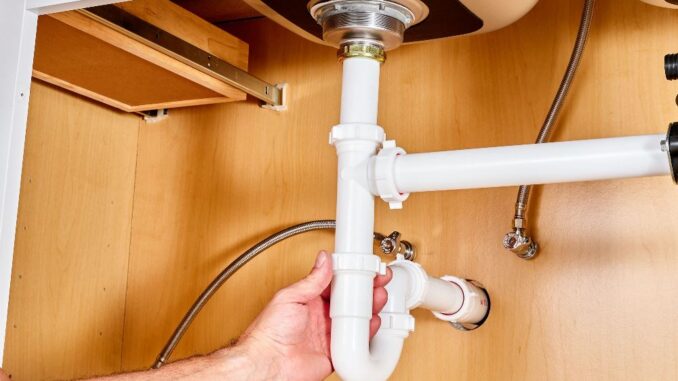
Kitchen cleanliness involves more than cleaning surfaces and washing dishes. The state of the drain is important for a sanitary plus comfortable cooking area. When people neglect drains, food particles, grease and waste collect inside pipes – these materials cause slow water movement but also smells that fill the room.
Proper maintenance ensures that sinks work as intended and reduces the chance of plumbing issues. Consistent habits prevent blockages as well as improve hygiene in the kitchen. Homeowners create a functional space – monitoring how they use and clean their drains.
Common Causes of Kitchen Drain Problems
Drains in the kitchen receive many types of waste, which makes them susceptible to buildup. Oil, coffee grounds or food pieces often gather inside pipes and stop water from flowing easily. Small amounts of these items collect over time next to cause difficult blockages.
Soap film and starches from pasta or rice are also responsible for drainage issues – these substances stick to the pipe walls, where they catch other debris plus create smells. If a drain is completely blocked, water often moves back into the sink, which may require a professional plumber to fix the system.
Proper Food Waste Disposal
Removing food particles from the sink is an effective way to keep a drain clean. You should put food from plates and pots into a bin before you wash them to lower the waste in the pipes – this habit prevents the accumulation of material that causes slow drainage.
Sink strainers are useful tools for drain protection – These devices catch small pieces of food so you can throw them away in the trash. You should empty but also clean the strainer often to remove odors and keep the sink area sanitary.
Managing Grease & Oil
Grease is a frequent cause of blockages in kitchen plumbing. It is a liquid when it is hot but it becomes solid as it cools inside the pipes. Layers of solid grease make the pipe opening smaller as well as catch other items that pass through the drain.
Pouring grease into a container instead of the sink is a better practice. You can also use paper towels to wipe oily pans before you wash them – these actions are helpful for maintaining a functional and clean drainage system.
Routine Drain Cleaning
Cleaning tasks keep drains free from smells or buildup – You can flush the drain with hot water after you do the dishes to move grease and soap before they stick to the pipes – this practice helps water flow next to reduces the frequency of clogs.
Solutions that do not use harsh chemicals are also available for maintenance. Baking soda and vinegar are common items used to loosen debris plus refresh the drain. Adding hot water after using this mixture helps clear the pipes and keeps the area smelling clean.
Preventing Odors in the Kitchen
Smells from the sink often indicate that food or waste is trapped in the drain – these odors make the kitchen less comfortable but also clean. Regular care removes the materials that cause these smells to grow.
Cleaning the sink surface and the garbage disposal helps lower odors. Some people use citrus peels to refresh the disposal as well as remove small amounts of waste. Keeping the sink dry and ensuring there is air movement also helps the kitchen stay fresh.
Protecting the Plumbing System
Careful drain use improves cleanliness or protects the pipes in the home. Frequent blockages put pressure on the plumbing and may cause leaks or damage from water. Maintenance reduces the need for expensive repairs in the future.
Homeowners who manage their drains usually have fewer needs for an emergency plumber. Functional drains help the kitchen work well next to allow appliances like dishwashers to run properly – this care also makes the plumbing components last longer.
Conclusion
A clean kitchen requires a well maintained drainage system. Grease and waste cause problems if you do not manage them. Regular habits ensure that sinks are clean plus work correctly.
Disposing of food in the trash, avoiding grease in the sink and cleaning the pipes are simple ways to prevent plumbing issues – these actions improve hygiene but also protect the home from damage. Kitchens are more functional when drain care is part of a normal cleaning schedule.
Be the first to comment