


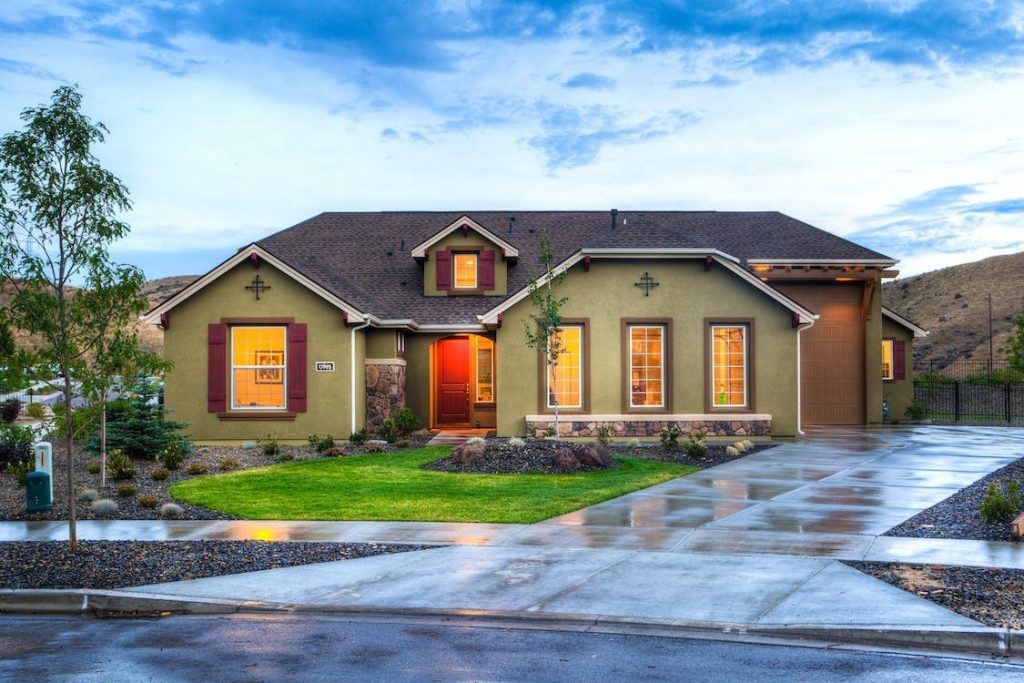


Back in the day, it was common to have dedicated driveways for most homes. But nowadays, most homes have shared driveways due to increased infill housing with gardens and front yards. Driveways are now commonly shared between one, two, or sometimes even three properties. While this is great for housing plots, the problem of shared driveway maintenance remains unresolved for homeowners.
The primary dispute homeowners face is regular maintenance; no one would volunteer to take full responsibility for keeping it clean, and it seems unfair too. Plus, what if the solution proposed is not acceptable to other homeowners sharing the same driveway?
In the following section, let’s look at the common driveway problems at home and how to fix them.
Shared Driveway Issues and Solutions
While there are various reasons why a driveway might cause a dispute between homeowners, the existing infrastructure could be the underlying issue that needs to be addressed.
Single driveways typically go through two or more properties; in this case, dedicated front yards can be surfaced to allow individual homeowners to park their vehicles in front of their properties.
Optimizing your garden area to repave driveways can be a fantastic solution to end all disputes. Everyone can maintain their own parking spaces and keep their chunk of the driveway clean.
Rules And Regulations For Shared Driveways
The major issue with shared driveways is that they are used more frequently than single driveways. With multiple properties surrounding one driveway, it is not unusual for the driveway to show signs of wear and tear. With potholes and pits appearing, the driveway users need to devise a plan of repair and regular maintenance.
This is a good guide featuring basic rules and regulations for shared driveways, especially if you want to avoid disputes between other property owners and enjoy a usable driveway without cracks and damages.
- Pull up the title deeds of your property to determine maintenance responsibilities. If it is not mentioned clearly, call up a meeting between other property owners using the shared driveway to agree. Offer a fair solution that all users will be happy to proceed with.
- Have your driveway inspected for repair solutions to understand the required costs, time, and effort.
- Acquire a quote, forward it to all the users, and make a combined decision to fix the shared driveway.
- Keep in mind that consent is essential from all parties. If you have to make sizeable repairs that require changing the surface of your driveway, ensure everyone agrees.
- Lastly, talk about regular maintenance. It’s best if you can come up with a roster to schedule cleaning days in rotation for successful results of repairs.
In the following section, we have compiled a list of the three most common surfaces used to build driveways: Asphalt, Concrete, and Gravel.
1. Concrete Driveways
Concrete driveways are the most common types used in shared housing structures. They are easy to install by a small team and even DIY homeowners. Concrete surfaces cost $4 to $5 per square foot for professional installation purposes.
Concrete is a popular construction material that forms solid and durable structures and platforms, making it an excellent choice for heavy-use driveways. A well-maintained concrete driveway can last up to 50 years.
However, if you plan to make the concrete mix yourself, you must ensure that the water portion is accurate, as excessive water can ruin the mix, making it weak and runny. The concrete mix has to be adequately cured as well after pouring it. If you are pouring it on clay soil, which tends to move and crack concrete slabs, getting the right concrete mix is mandatory for a successful installation.
- For spalling or cracked patches, opt for repaving your concrete driveway with concrete resurfacers. They are usually packaged in dry concrete bags, which must mix with water. Follow the packing instructions. Mix it well, spread it over the spalled areas, and create a new concrete surface.
- For tiny cracks, you can consider fixing them using a concrete crack filler, which is also available at stores. You need a caulking gun to dispense the product on the cracks.
- Cracks that are slightly larger or deeper (more than an inch) should be initially filled using a foam pre-caulking rod. This foam rod is used to apply force on the cracks, followed by the repair sealant to repair the cracks. If you avoid using the foam road, the filler will not seal properly. In fact, it may cause the sealant to slump and dissolve in the cracks.
- Using a cleaning agent is effective for any grease or coarse oil stains. You must apply the dry powder on the stained concrete areas and brush it on the surface with a powerful broom, followed by spraying water lightly on the affected spots. Make sure you read the packaging instructions properly.
2. Asphalt Driveways
Another name for an asphalt driveway is a blacktop due to its muted black-colored surface. The standard cost of this surface can vary from $2.50 to $4.00 per square foot, including installation. If well-maintained, an asphalt driveway can last up to 20 years. However, heavy-duty usage, dirt and debris build-up, and chemical usage can reduce its durability over time. Cracks and potholes can start to appear, demanding prompt repairs.
- Firstly, you cannot install an asphalt driveway the DIY way. It needs to be done with the help of commercial machines, requiring heating the asphalt mixtures and running heavy rollers to smoothen the surface after paving it. However, homeowners can handle basic repairs of asphalt driveways.
- For small cracks, you need to buy a tube of asphalt sealant, available at many hardware and construction stores. All you need to do is dispense it using a standard caulking gun. Apply it to the cracked surface to repair, seal, and halt further cracks.
- For multiple or large cracks, opt for asphalt repair tubes, as they are more suitable for fixing them. Use the pliable tubing to insert into the cracked areas, and then use the torch to heat, melt, fill and seal the cracks successfully.
- To remedy spider web cracks, you can use a mop-on asphalt sealer containing asphalt resin without applying heat to melt the surface. Furthermore, this DIY trick works best to ensure that your shared driveway is in good condition.
- Once you spot a crack forming, if you do not take action to seal it quickly, water can seep in, damaging the gravel underneath the asphalt. This leads to larger cracks and potholes. You can tackle this shared driveway issue with an asphalt patching product or a pothole filler. Make sure you buy one that matches your existing driveway surface.
3. Gravel Driveways
Gravel driveways are less common than the other two types of surfaces; however, they can still be spotted in some rural areas with country homes. Gravel driveways are usually installed where there is a shortage of concrete or asphalt contractors. They are also known to be used for better drainage systems. Gravel driveways are low-priced, yet another reason rural homeowners opt for them. The standard price per square foot of gravel is $1 to $1.50.
The installation requires professional hands and heavy equipment to clear the base of the ground and spread a six to eight-inch layer evenly on top of compacted soil. This kind of driveway can last for a lifetime and future generations too.
- Gravel driveways invite weeds to thrive on them, ultimately spreading and covering the driveway. To remedy weeds taking over, you have to use a non-selective herbicide.
- Frequent and heavy use of a gravel driveway can create cracks and holes, which start storing water and cause ruts. Almost all gravel driveways are built with a small crown, a slightly inclined spot down the center for water flow down on both sides. You can use an excavator to repave the driveway’s surface to assist you in pulling the gravel back to the center.
- Heavy rains can wash out parts of the gravel driveway during the rainy season. Country dwellers tackle it by calling an excavator to help fill it. If you are considering replacing your existing driveway, you should consider all factors mentioned above.
Conclusion
Many other driveway surfaces can be considered for a shared driveway, but the chosen type must meet the needs of everyone sharing the driveway. Remember that your objective is to choose a long-lasting, easy-to-maintain material that does not need to be replaced yearly due to environmental factors.
You should also ensure that the shared driveway complements the housing plots and suits everyone’s budgets.